









Beyond the leaderboard at Shinnecock Hills lies a deeper history, one rooted in John Shippen, Oscar Bunn, and the first significant test of open golf in America.
The U.S. Open may have left Shinnecock Hills once again, but Wyndham Clark’s wire-to-wire victory added another modern championship chapter to one of America’s most important golf clubs. For a week, the story revolved around wind, pressure, leaderboard changes, and a golf course that continues to expose every weakness in a player’s game.
However, Shinnecock has always held more than just championship drama. Long before the 2026 U.S. Open, the Long Island club hosted one of the most important yet often overlooked moments in American golf history. The story begins on July 18, 1896, when two young local players, John Matthew Shippen and Oscar Bunn, competed in the U.S. Open, just the championship’s second year. At this time, the USGA was newly formed, and American golf was still defining its identity.
Shippen was 16, and Bunn was 19. They were not members of Shinnecock Hills Golf Club; they worked there. They caddied there and learned the course not through privilege but through hard work, repetition, and talent. That is why their story remains significant.
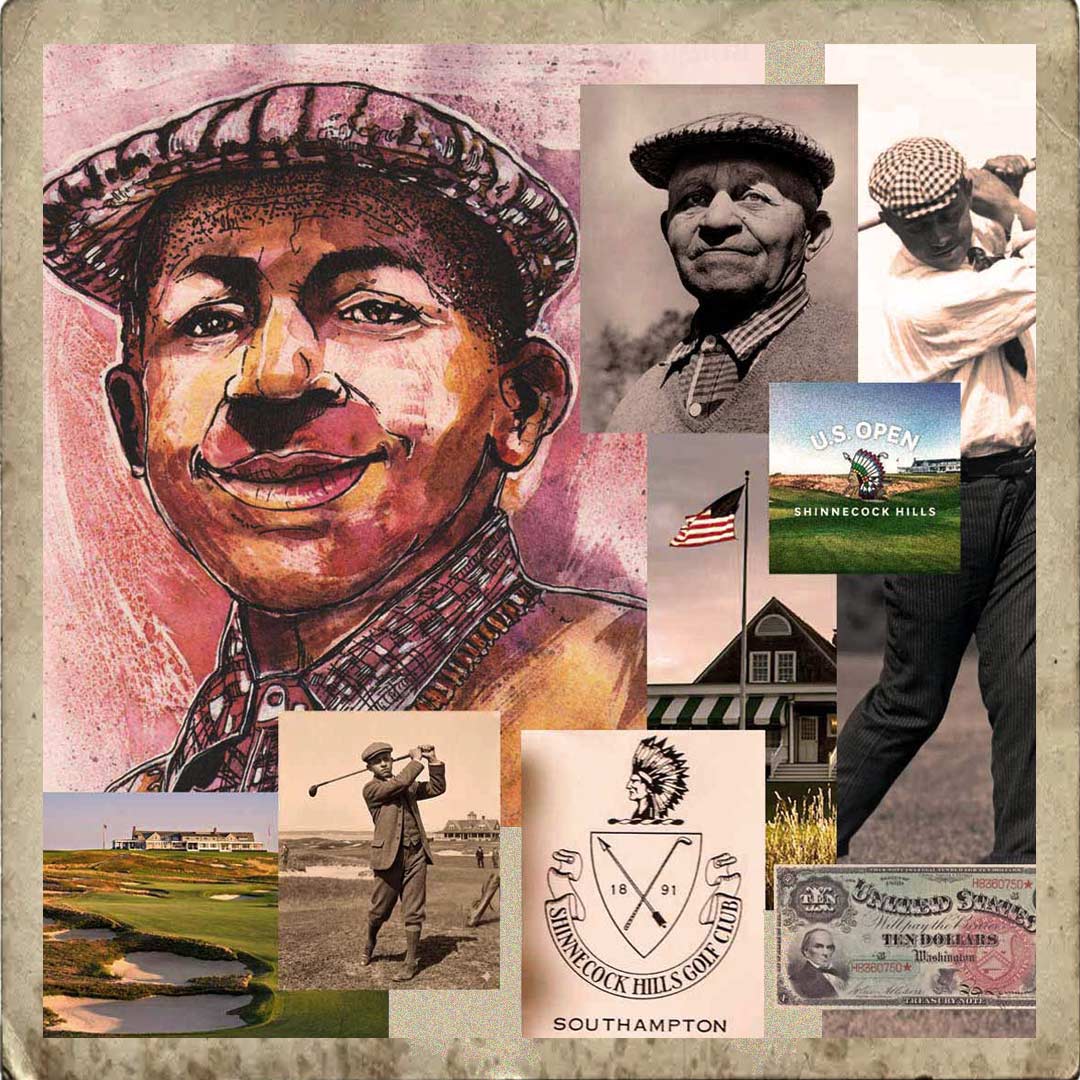
John Shippen illustration © Sergio Garzon, from Allison Singh’s John Shippen & Oscar Bunn: American Firsts in Golf. Shippen was a gifted 16-year-old African American golfer when he competed in the 1896 U.S. Open at Shinnecock Hills—additional collage elements by 1896 Golf.
America’s Forgotten Firsts
Shinnecock Hills, established in 1891, is recognized as the oldest incorporated golf club in the United States and one of the five founding clubs of the USGA. Its place in the official history of American golf is secure, and Shippen and Bunn’s place should be equally recognized.
Shippen is often remembered as the first African American to compete in the U.S. Open and as a pioneering Black golf professional. Bunn, a member of the Shinnecock Nation, deserves to be remembered alongside him. Together, they represented something larger than just tournament entries. They were two American-born players, trained by the realities of the course itself, stepping into a championship and a sport historically dominated by Scottish and British professionals.
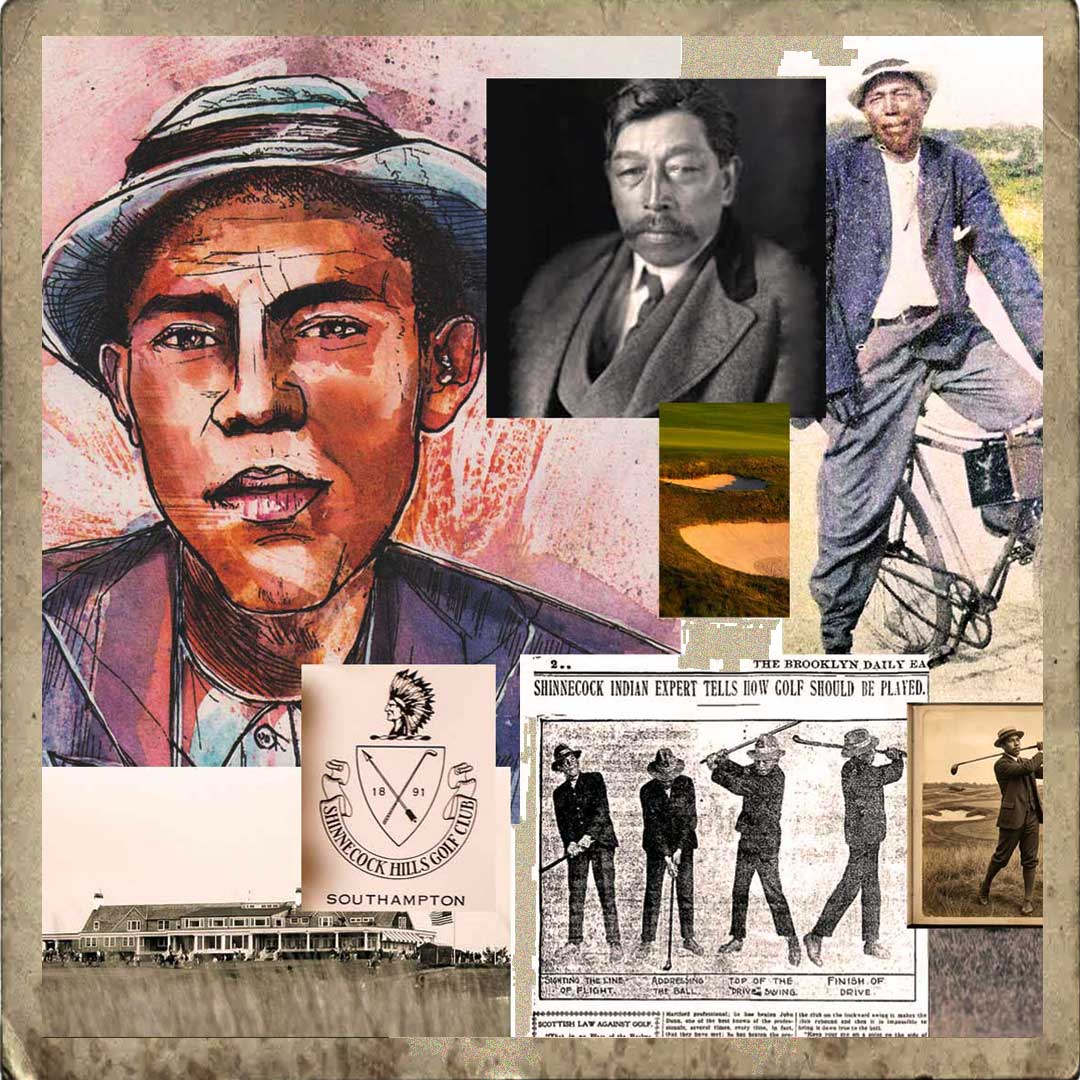
Oscar Bunn illustration © Sergio Garzon, from Allison Singh’s John Shippen & Oscar Bunn: American Firsts in Golf. Bunn was a gifted 19-year-old golfer from the Shinnecock Nation when he competed in the 1896 U.S. Open at Shinnecock Hills—additional collage elements by 1896 Golf.
Allison Singh’s 2021 book, “John Shippen & Oscar Bunn: American Firsts in Golf“, brings the two teenagers back into the spotlight. It highlights how their story encompasses issues of race, land, labor, and the early promise of American golf. They were not symbols first; they were players, and they were talented enough for Shinnecock to recognize their potential.
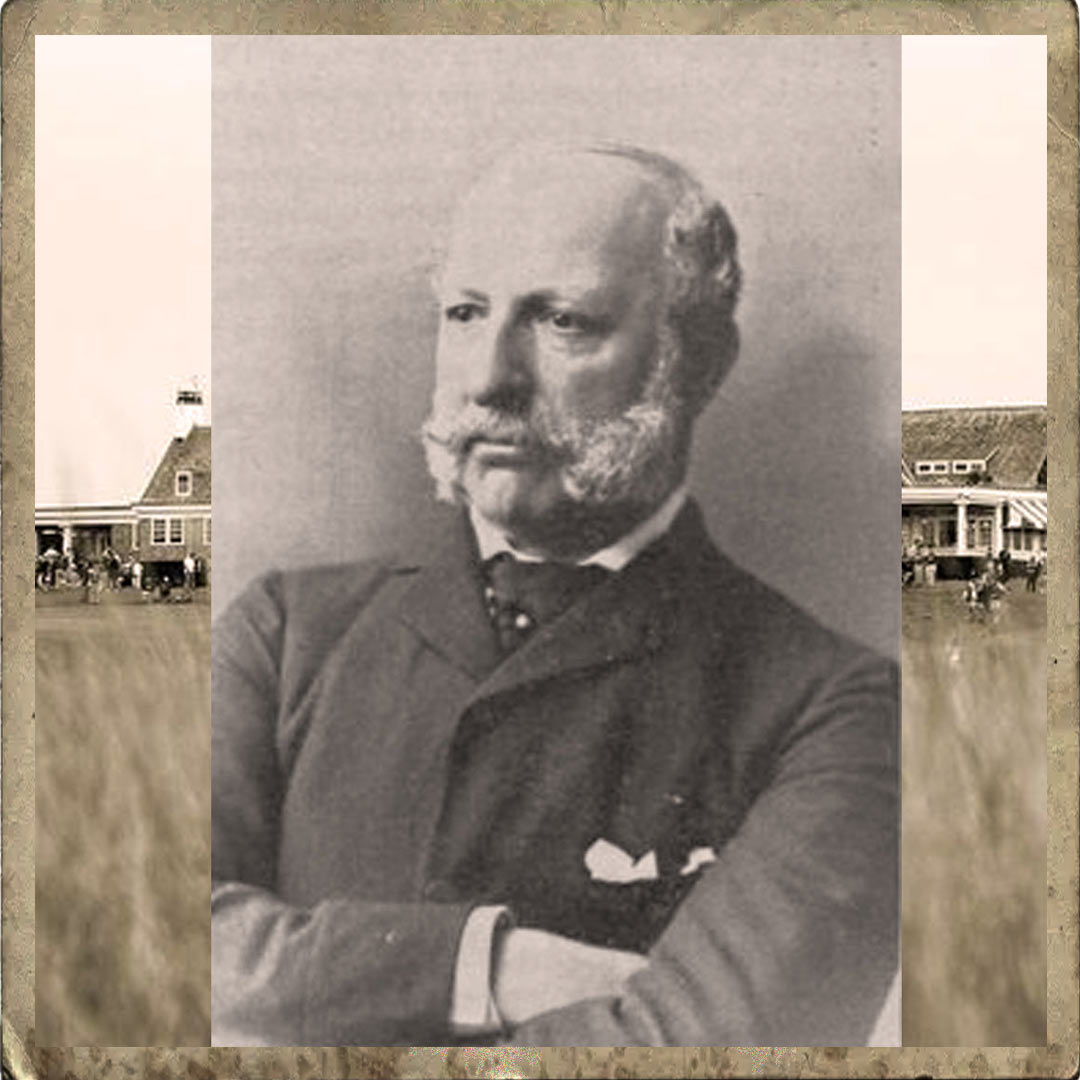
Theodore Havemeyer, the first president of the USGA, helped define the meaning of “open” golf when he allowed John Shippen and Oscar Bunn to compete in the 1896 U.S. Open at Shinnecock Hills.
What “Open” Was Supposed to Mean
The word “open” embodies one of golf’s most powerful concepts: open to qualification, open to competition, and open to those who can demonstrate their worth. In 1896, that concept was tested almost immediately.
On the eve of the championship, a group of Scottish and British golfers objected to playing alongside Shippen and Bunn. The issue was not their age, money, or knowledge of the course; it was race. Theodore Havemeyer, the first president of the USGA and a key supporter of the tournament, refused to remove them from the competition. Thus, the championship proceeded with Shippen and Bunn participating.

This decision did not make golf equal nor prevent the decades of exclusion that would follow, but at that moment, the U.S. Open moved closer to fulfilling the promise of its name.
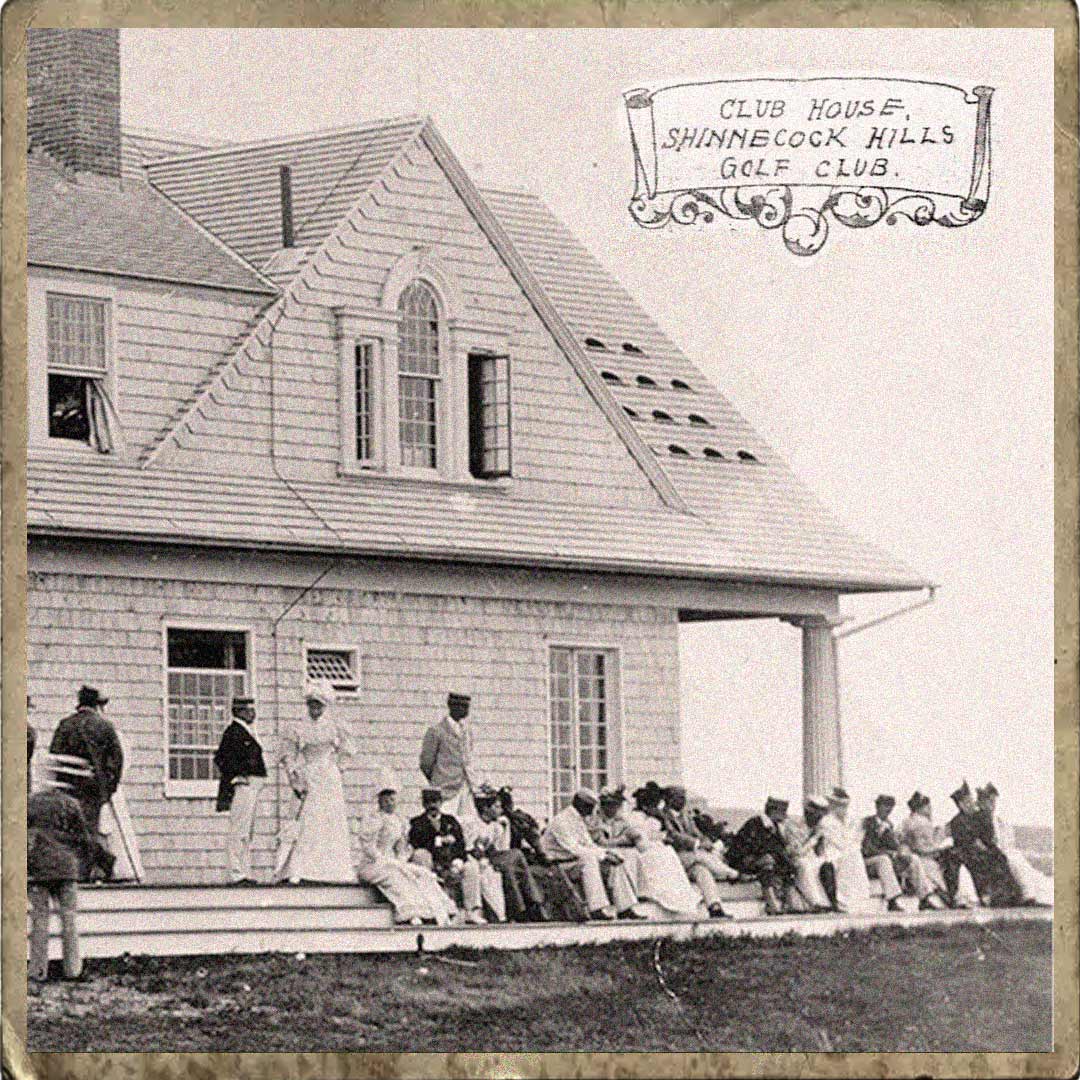
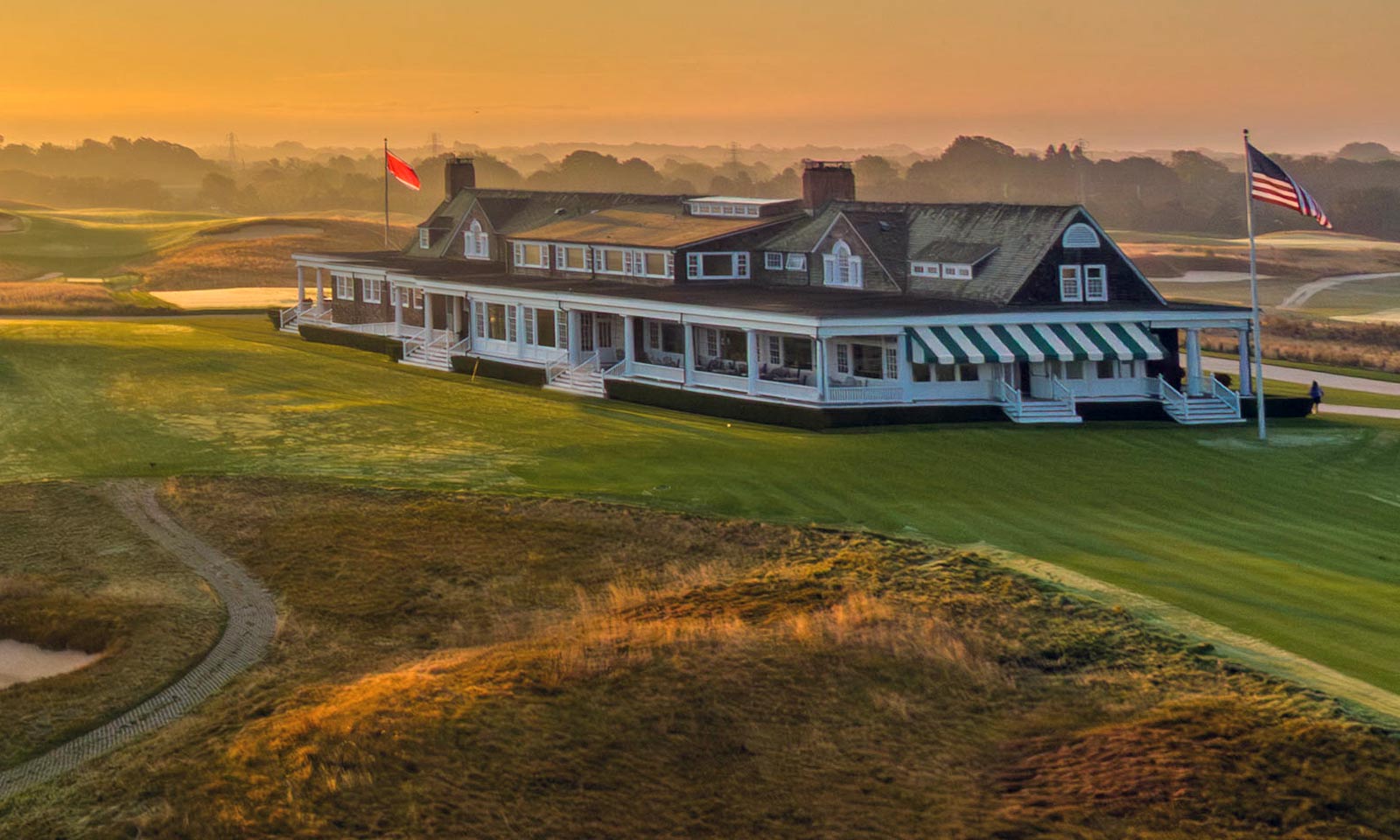
The Shinnecock Hills clubhouse was built in 1892. Four years later, members sponsored John Shippen and Oscar Bunn, the only American-born players in the 1896 U.S. Open. What would the U.S. Open be without American golfers?
1896 Was Bigger Than Golf
The year 1896 was not only significant for golf. The United States was only three decades removed from the Civil War and the 1865 ratification of the 13th Amendment. That same year, the Supreme Court decided “Plessy v. Ferguson”, which reinforced the legal framework for segregation. Native Americans were still denied full U.S. citizenship, a reality that would not change until 1924.
This was the America into which Shippen and Bunn stepped. In a year when the country was narrowing the definition of equality, these two young golfers at Shinnecock expanded the meaning of American golf.
Bunn’s story emphasizes this point even further. He was Shinnecock and had an ancestral connection to the land. He worked on the course, learned the game, and later continued teaching golf. In 1901, the “Brooklyn Daily Eagle” featured Bunn’s mastery of the swing, proving that his role in the sport did not end with a single U.S. Open appearance.
Shippen nearly altered the championship itself. After the morning round, he was tied for the lead. However, a disastrous 13th hole, where his ball found a sandy path in an era before the sand wedge, severely impacted his performance. He finished tied for fifth with a score of 159, while Bunn finished with a 174.
For too long, the focus has been on Shippen’s performance on one hole, overlooking the more significant narrative: he was in a position to win.
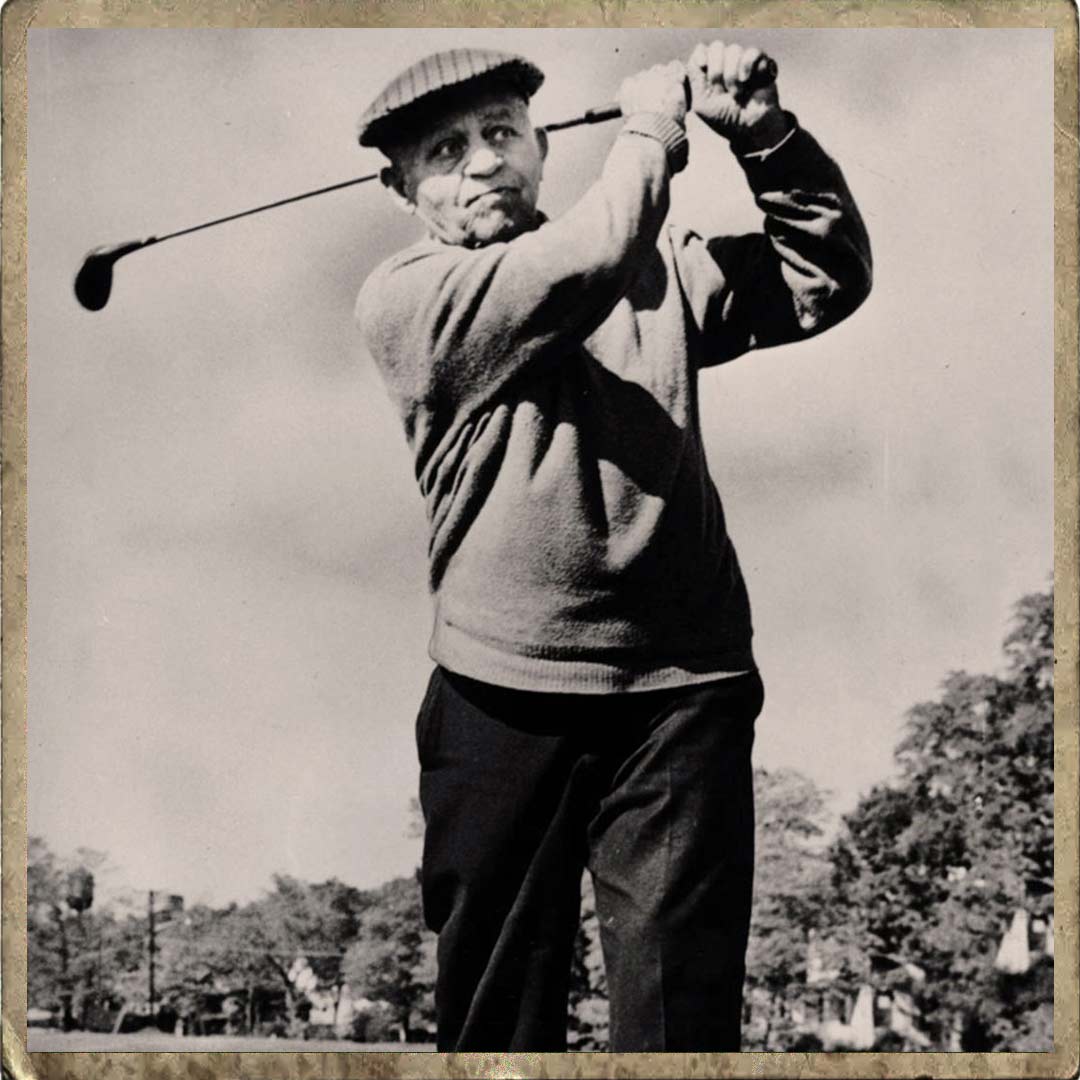
John Shippen’s career carried him from Shinnecock to respected clubs across the game. Teacher, clubmaker, competitor, and pioneer, he was posthumously granted PGA membership in 2009.
The Roots Beneath the Fairways
After his time at Shinnecock, John Shippen dedicated his life to professional golf. He taught the game, manufactured and sold golf clubs, and participated in four more U.S. Opens. His career took him to some of the most respected golf venues, including Maidstone Club in East Hampton, where he served as the head professional, and Aronimink Golf Club near Philadelphia, which hosted the PGA Championship earlier this year. Eventually, Shippen found a lasting home at Shady Rest Golf and Country Club in Scotch Plains, New Jersey, the first Black-owned country club in the United States. In 2009, over four decades after his passing, the PGA of America granted him posthumous membership.
Oscar Bunn did not regularly appear at the U.S. Open, but over time, his legacy has begun to resurface. He was inducted into the Caddie Hall of Fame in 2009, and the Oscar Bunn Tribal Golf Facility opened on the Shinnecock Reservation, serving as a symbol of both pride and long-overdue recognition.
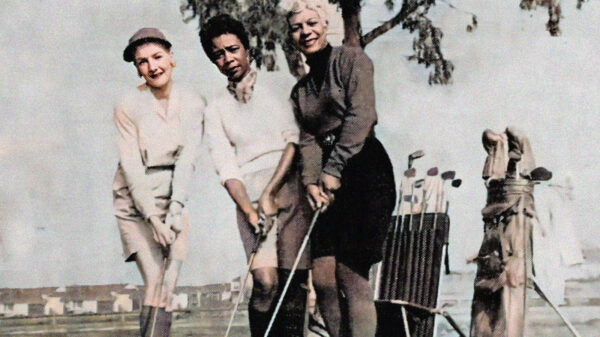
Their stories also highlight what came next. Golf did not become fully accessible after 1896. The PGA’s “Caucasians only” clause and years of restricted access pushed Black golfers to the margins of the game’s main institutions. In response, Black golfers created their own pathways through organizations such as the United Golfers Association, clubs like Shady Rest, and communities determined to ensure that the game did not belong solely to those controlling the gates.
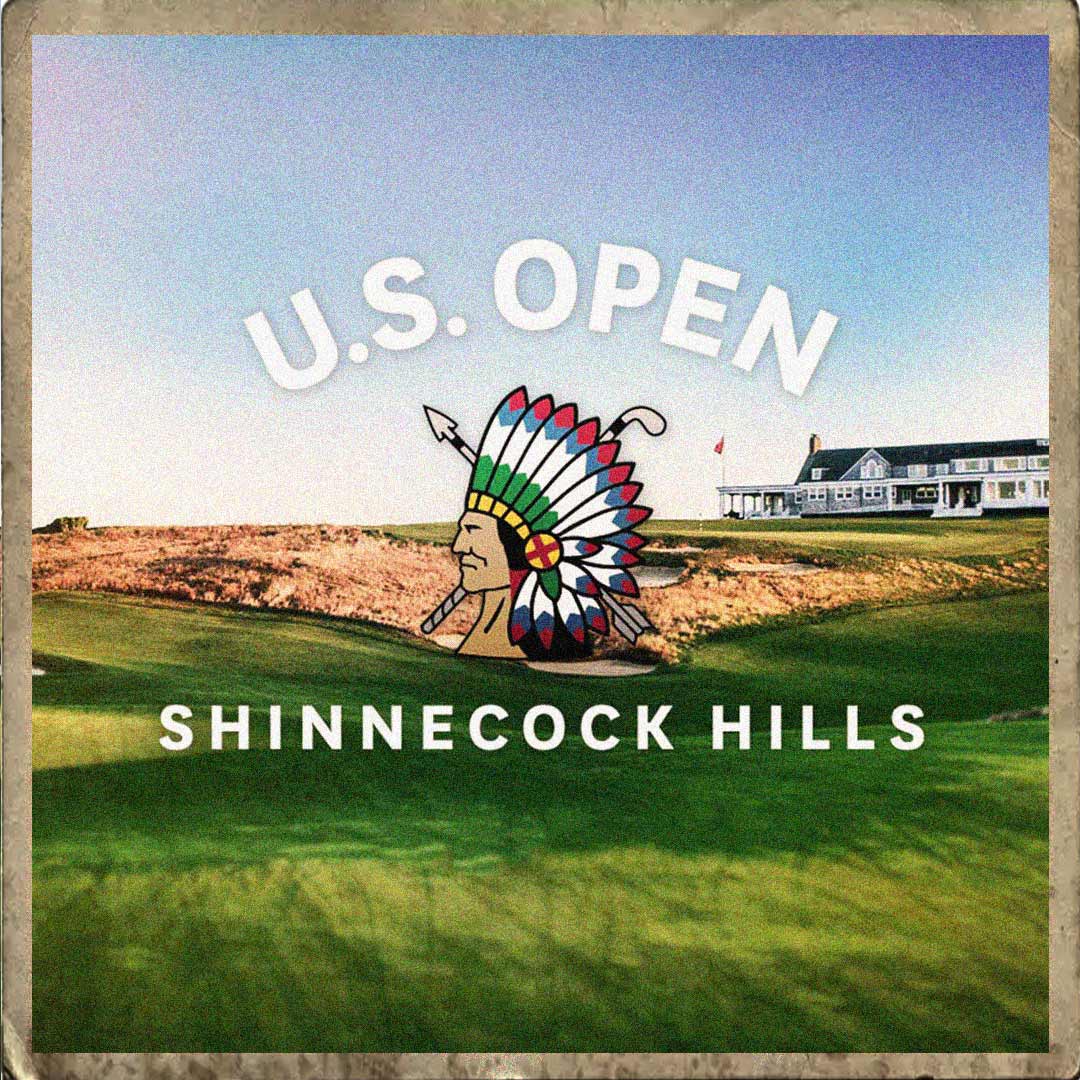
Shinnecock Hills is more than a championship venue. Its history reminds us that John Shippen and Oscar Bunn were part of the American golf story from the beginning.
Why Shinnecock Hills Still Matters
This moment holds particular significance. The U.S. Open returned to Shinnecock shortly after Juneteenth, a national observance of Black freedom from slavery. In July 2026, the United States will celebrate 250 years of independence. Between these two milestones lies an important question that golf must confront:
Who gets remembered as part of the American narrative?
At Shinnecock, the answer should include John Shippen and Oscar Bunn. Their stories are not separate from golf history; they are integral to it. These narratives remind us that the roots of the game have always been broader than the gates that later attempted to confine it.